
Productized Services & Flat Pricing for Design
How flat-fee productized design services work, what they include, and why founders prefer fixed pricing over hourly quotes. dee.agency model explained.
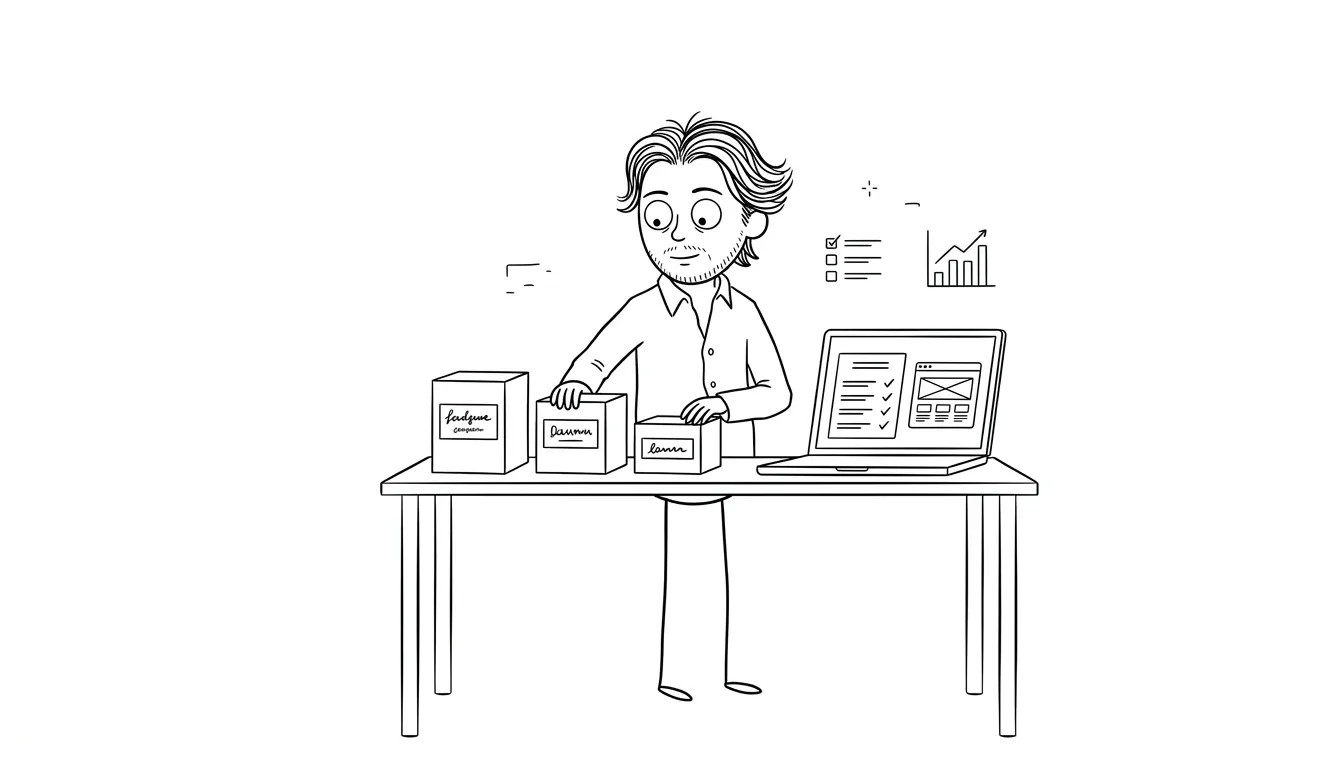
Productized services are a model where a designer (or any service provider) packages their work into fixed-scope, fixed-price offerings instead of quoting custom hourly rates for every project. For design specifically, flat pricing means you know exactly what you’re getting, what it costs, and roughly how long it takes before the conversation even starts. dee.agency runs entirely on this model: every service has a clear price, a clear deliverable, and a clear starting point.
What productized services actually are
The traditional consulting model works like this: client emails, you jump on a call, you scope the project, you write a proposal, you negotiate, you start. That process can take two or three weeks before a single pixel moves.
Productized services flip that. You define the service upfront. Scope, price, deliverables, timeline. The client picks what they need and buys it. Discovery still happens, but it happens within the engagement, not before it.
The word “productized” just means you’ve turned a service into something that behaves more like a product. It’s repeatable, consistent, and priced the same for every buyer.
For design, this is a natural fit. Most founders need similar things: a landing page, an MVP, a product audit. The work varies in details, but the shape of it is predictable. That predictability is exactly what makes flat pricing possible.
The model has been written about extensively in the freelance and consulting world. Paul Jarvis helped popularize it in the design space. Brennan Dunn’s work on productizing expertise has influenced a whole generation of solo consultants. The core idea is simple: when you’ve done something enough times, you can define it precisely enough to price it without guessing.
Why flat pricing for design makes sense (for founders especially)
Custom quotes are stressful for buyers. You don’t know if you’re being overcharged. You don’t know if the quote will balloon mid-project. You have to wait for a proposal just to understand whether something is in your budget.
Flat pricing removes that friction entirely.
When you see a price upfront, you can make a decision. You don’t have to schedule a sales call just to learn that something costs $15,000.
This matters a lot for founders. Early-stage companies are often spending carefully, and they can’t afford to waste two weeks in a proposal dance just to find out a service is out of budget. Fixed pricing lets them self-qualify and move fast.
It also forces the service provider to get really clear on what they’re delivering. If you charge $3,000 for a landing page, you have to know exactly what that includes and what it doesn’t. That clarity benefits everyone.
There’s also a psychological shift that happens when pricing is public. The buyer comes into the conversation already prepared. They’ve read the scope. They’ve seen the number. They know whether it fits. That means the first call, if there is one, is about fit and logistics rather than negotiation. That’s a better use of everyone’s time.
How productized design services are scoped
The key to making flat pricing work is tight scope. Not so tight that it’s inflexible, but tight enough that you’re not writing an open-ended blank check.
Here’s how I think about scoping a productized service:
- Define the core deliverable. One landing page. One MVP. One audit report. Not “a website” or “a redesign.”
- Define what’s included. Pages, screens, rounds of revisions, copy review, handoff format.
- Define what’s not included. Out-of-scope requests, additional pages, custom illustrations, ongoing maintenance.
- Anchor the timeline. A clear expected turnaround communicates value and sets expectations.
- Set the starting conditions. What does the client need to bring to the table? Copy, brand assets, a brief?
When all five of those are defined, pricing almost sets itself. You’re not guessing at hours anymore. You know what the work looks like and you price accordingly.
The intake brief is where a lot of the scoping actually happens in practice. A well-designed brief captures enough context that the work can start without a long back-and-forth. It’s essentially a structured version of the discovery call, just written down and filled out by the client. That written record also protects both parties. If a question comes up later about what was agreed, the brief is the answer.
The productized services flat pricing design lineup at dee.agency
Every service at dee.agency is flat-fee. Here’s the current lineup:
| Service | Price | What you get |
|---|---|---|
| Audit + Spec | $500 | One focused lens (UX, conversion, or AI opportunity) on your existing product, with prioritized findings and a recommended next step |
| Landing Page Design & Build | $3,000 | A complete, production-ready landing page, designed and coded |
| AI Integration & Automation | $3,000 | AI workflow built into your product or operations |
| AI Visibility / GEO Fix | $3,000 | Structured content and technical fixes to help you show up in ChatGPT, Perplexity, and Gemini |
| Idea to MVP | $9,000 | A functional, shippable product built from scratch |
The Audit + Spec is also credited toward any follow-on work if you book within 30 days. So if you’re not sure which service you need, it’s a low-risk starting point.
Each of these is scoped tightly enough to deliver reliably at a fixed price, but practical enough to handle real founder problems, not sanitized toy projects.
The services are also designed to connect. You might start with an Audit + Spec to diagnose where your product is losing users, then move into a Landing Page build to fix conversion, then later an MVP engagement to add a core feature. Each step is self-contained, but they build on each other when you’re ready.
What productized services are NOT
It’s worth clearing up a few misconceptions.
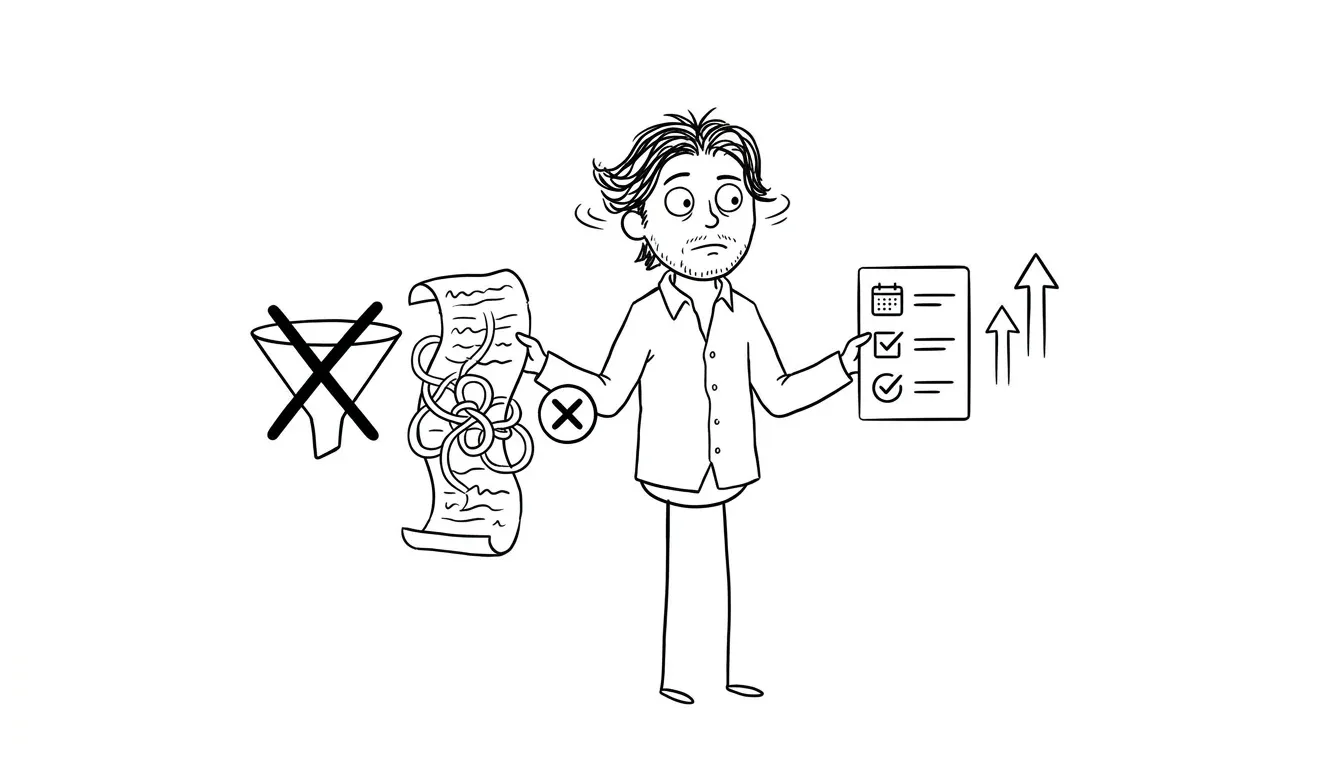
Flat pricing doesn’t mean low-quality or cookie-cutter. A $3,000 landing page isn’t a template with your logo dropped in. It’s a custom-designed, custom-coded page built for your specific offer and audience. The “product” is the process, not the output.
Flat pricing also doesn’t mean no communication. Good productized services include a clear intake process, usually a detailed brief or kickoff form, so the work can start with context. What changes is that there’s no endless discovery phase before any commitment.
And flat pricing doesn’t mean the work is easy or fast in a sloppy way. It means the provider has done this enough times to know how long it actually takes and price it accordingly.
How productized flat pricing for design compares to hourly
Here’s a direct comparison:
| Factor | Hourly / Custom | Productized flat fee |
|---|---|---|
| Pricing clarity | Quote after scoping | Published upfront |
| Budget risk | High (hours can expand) | Low (fixed) |
| Time to start | Days to weeks | Same day or next day |
| Scope discipline | Variable | Built in |
| Relationship overhead | High | Low |
| Good for repeat work | No | Yes |
Hourly billing isn’t inherently bad. It can work well for ongoing relationships where the work genuinely shifts week to week. But for a specific deliverable with a clear end state, flat pricing is almost always better for the buyer.
The one scenario where hourly wins: truly exploratory work where neither party knows what the output looks like. If a project is genuinely undefined, forcing it into a fixed price creates problems. Good productized services acknowledge this and don’t try to package the unpackageable.
A useful way to think about it: hourly billing transfers risk to the buyer. The more hours something takes, the more they pay, regardless of whether the extra time was necessary. Flat pricing transfers risk to the provider. If a job takes longer than expected, that’s on the designer to manage. That’s a meaningful difference in incentive structure, and it generally produces better outcomes for the person buying.
According to Shopify’s guide to freelance pricing models, fixed-price projects tend to result in fewer disputes and clearer deliverables compared to open-ended hourly arrangements, particularly for scope-defined creative work.
How to evaluate a productized design service before buying
Not all flat-fee services are created equal. Here’s what to look for.
Is the scope clear? You should be able to read the service description and know exactly what you’re getting. If it’s vague, the provider either doesn’t know or is leaving room to underdeliver.
Is the price fair for the scope? Compare against what a similar project would cost hourly. A $3,000 landing page design and build, for example, would run $5,000 to $15,000 at most agencies. Flat pricing should feel like a fair deal, not a race to the bottom.
Is there a clear process? Good productized services have a defined workflow. Brief, design, revisions, delivery. You should understand roughly what happens when before you commit.
What’s the revision policy? One round, two rounds, or unlimited? This matters for managing expectations on both sides.
Is there a portfolio or track record? You’re buying repeatable expertise. Make sure that expertise actually exists.
If you’re deciding between a freelancer and a productized studio, the article on landing page designer vs agency breaks down the tradeoffs in more detail.
Productized flat pricing for design and the async advantage
One thing that productized services enable that custom engagements often don’t: async work.
When the scope is defined upfront and the process is documented, you don’t need to be in constant contact. You fill out a brief. I do the work. You review. We iterate. There are no status calls, no weekly syncs, no “just checking in” emails.
That’s better for founders who are already context-switching constantly. And it’s better for the work. Design done in focused blocks is usually better than design done in fragmented 30-minute windows between meetings.
Async also makes the timeline predictable. A landing page takes roughly five to 10 business days once the brief is in. There’s no calendar coordination dragging that out.
The State of Remote Work research from Buffer consistently shows that async communication is one of the things knowledge workers value most. Productized services are a natural fit for that preference because the whole model is built around defined inputs and outputs rather than continuous presence.
Thinking about a flat-fee landing page? I build them start to finish for $3,000 with a clear scope and a defined timeline. Tell me about your project.
When productized services aren’t the right fit
Flat-fee design works well for discrete, deliverable-focused projects. It doesn’t work as well for:
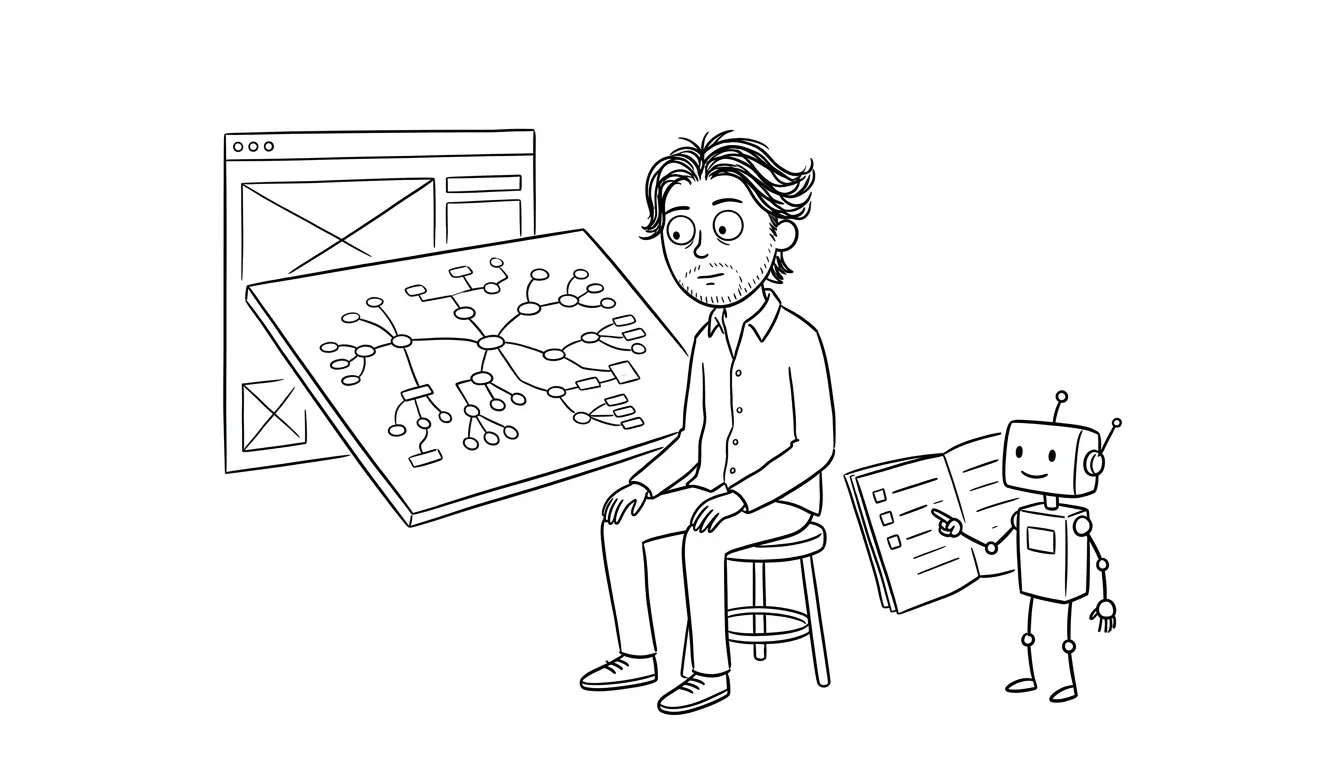
- Ongoing design support where the scope genuinely shifts month to month
- Very large, complex products with many stakeholders and approval layers
- Projects where the client needs to be deeply involved in every step (the async model breaks down if you need constant hand-holding)
- Highly regulated industries that require extensive documentation and compliance review
If your situation doesn’t fit a standard service, the Audit + Spec is a good way to figure out what you actually need before committing to a larger engagement. It’s one focused lens on your product for $500, and it usually surfaces the right next step pretty clearly.
For founders who are still in early discovery about what to build, the post on how to scope an MVP without overbuilding is a good read before any service conversation.
What makes dee.agency’s model different
Most agencies, even small ones, still run on custom quotes and hourly retainers. That’s partly because productized services require confidence in your process. You have to know what you’re doing well enough to say “this costs $X and takes Y days” without hedging.
Running a one-person studio is actually an advantage here. There’s no overhead to cover, no account manager taking a cut, no project manager sending you status updates that repeat what the designer already told you. The work is the work.
The services are also layered so you can start small and scale up. Audit first, then a landing page. Landing page first, then an MVP. Each service is useful on its own and connects to the next when you’re ready.
One thing that often surprises people: the flat-fee model doesn’t mean less customization. The intake brief for each service is detailed enough that the output is specific to your product, your audience, and your goals. The process is repeatable. The result isn’t generic.
That also means onboarding is fast. There’s no multi-week discovery retainer before any actual work happens. You fill out the brief, I review it, we align on any open questions, and the work starts. For most services that happens within a day or two of booking.
The services overview has the full picture if you want to see how they fit together. And if you want to understand more about how I approach the work, the about page covers the background behind this model.
Frequently asked questions
What is a productized service in design?
A productized design service is a fixed-scope, fixed-price offering where you know the deliverable, cost, and timeline before signing. Instead of a custom quote for every project, the service is defined upfront and repeatable. dee.agency offers five productized design and development services ranging from $500 to $9,000.
Is flat-fee design cheaper than hourly?
Usually, yes, for specific deliverables. A productized landing page at $3,000 would cost significantly more at an hourly agency once you account for project management, multiple revisions, and billing overhead. Flat pricing also removes budget risk since the number doesn’t change mid-project.
What’s included in a flat-fee landing page design?
At dee.agency, the $3,000 landing page service includes a custom-designed and custom-coded production-ready page. The specific scope, including revisions and what assets you need to provide, is covered in the service description before you commit.
How do I know if a productized design service is legit?
Look for a clear, published scope. Vague deliverables are a red flag. Check for a portfolio that reflects the type of work you need. And read the process section carefully. A real productized service should be able to explain exactly what happens from purchase to delivery.
Can I customize a productized service for my specific situation?
Depends on the provider. At dee.agency, the core scope is fixed, but the intake brief captures your specific context, goals, and constraints. The output is custom to you even though the process is repeatable. If your situation is genuinely unusual, the Audit + Spec is the right starting point to figure out what you actually need.
What if I’m not sure which service I need?
Start with the Audit + Spec. It’s $500, takes one focused look at your product or situation, and tells you exactly what to fix and in what order. If you follow up with a larger service within 30 days, the $500 is credited toward it.
Ready to work with a clear scope and a fixed price?
If you’re tired of the proposal-negotiation-scope-creep cycle, I’d like to show you a different way. Browse the full service lineup or jump straight to telling me about your project.

Got a project worth shipping? Send the brief.
Quote and kickoff date back in a day, usually faster. If it's not a good fit I'll say so.