- landing-pages
- freelance-designer
- design-agency
- conversion
- solo-studio
Landing page designer vs agency: which should you hire?
Honest comparison of freelancers, agencies, and solo studios for landing pages. Real prices, real timelines, and who actually fits your project.
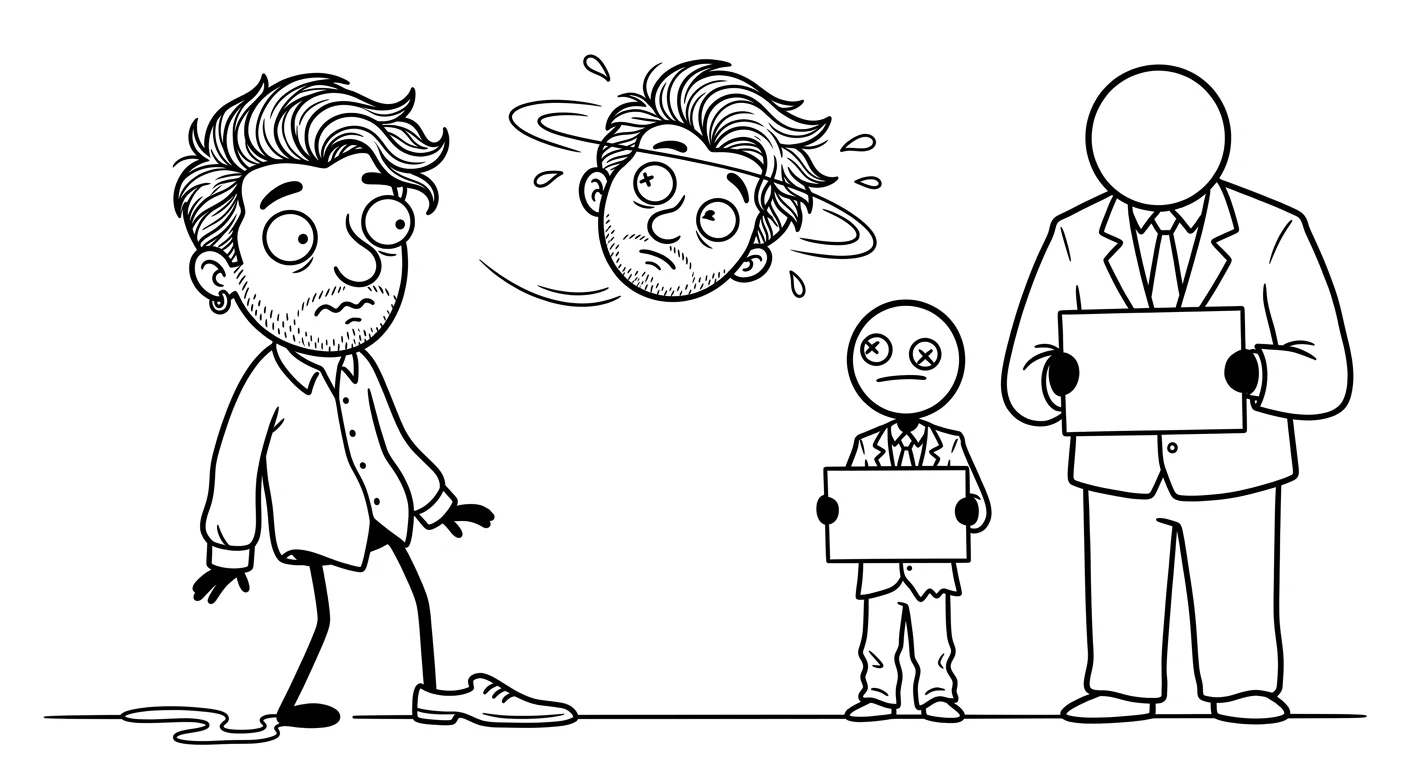
Most founders asking “landing page designer vs agency” are actually asking the wrong question. The real question is: what does your landing page actually need, and who’s the right fit for that specific thing?
I’ve been on both sides. I’ve worked in agencies. I’ve freelanced. Now I run a solo studio. I’ve seen what each model does well and where each one falls apart. So let me give you an honest breakdown, not a pitch.
What you’re actually choosing between
When people say “hire a designer,” they usually mean one of three things:
- A freelancer from Upwork or a referral
- A design agency with a team and a sales process
- A solo studio (one specialist, productized service)
These are very different things. Lumping them together as “freelancer vs agency” misses the actual tradeoffs. Let me break down each one properly.
Freelancers
Freelancers are individuals, usually found on Upwork, Contra, Toptal, or through referrals. Quality varies enormously. You might find someone brilliant, or you might find someone who disappears after the first payment.
The price range is wide: $500 on the low end, $5,000+ for experienced specialists. The timeline is typically one to three weeks, depending on revision cycles and how responsive both sides are.
The biggest risk with freelancers isn’t quality, it’s reliability. No contract enforcement, no team behind them, no accountability structure. If something comes up, your project stalls.
Design agencies
A full agency brings a team: account manager, strategist, designer, copywriter, developer, QA. That’s a lot of hands, and you pay for all of them whether you need them or not.
Agency pricing for a landing page runs $5,000 to $50,000 depending on size and positioning. Timeline is two to eight weeks minimum, because work gets passed between departments.
For a complex enterprise product launch with brand strategy, video production, and multi-variant testing infrastructure, an agency might make sense. For a single landing page for an early-stage SaaS product? You’re paying for capacity you won’t use.
Solo studios
A solo studio is one person who does design and development themselves, usually as a productized service with a fixed scope, fixed price, and defined timeline. No team, no handoffs, no project managers buffering communication.
This is the model I run at dee.agency. $2,500, under a week, you talk directly to me. I design it, I build it, I deploy it.
Where agencies win
I’ll be honest: agencies have real advantages in specific situations.
If your project genuinely needs a large coordinated team, if you’re launching a product at enterprise scale and need simultaneous work across strategy, brand, video, and development, an agency makes sense. The infrastructure is there.
Agencies also work well when you need formal contracts, vendor approval processes, and liability coverage that fits corporate procurement. Some enterprise buyers literally can’t pay an individual contractor.
And if you’re running a campaign that needs 15 landing page variants tested simultaneously with a dedicated growth team managing it, an agency has the human resources to do that in parallel.
Most early-stage founders don’t need any of that. They need a good page, live fast, converting.
Where agencies consistently fall short
The agency model introduces structural delays that have nothing to do with talent. Work gets handed from account manager to strategist to designer to developer. Each handoff is a chance for context to get lost.
You also rarely talk to the person building it. You talk to an account manager who talks to a project manager who talks to the designer. By the time your feedback reaches the right person, it’s been filtered and reinterpreted.
I’ve worked in this system. It’s not incompetence, it’s structure. The structure just doesn’t serve small, fast projects well.
And the pricing reflects the overhead, not the output. When you pay $15,000 for a landing page at an agency, a significant chunk of that covers account management, sales commissions, office costs, and senior oversight of junior work. You’re not getting $15,000 worth of design and code. You’re getting maybe $4,000 worth of actual production, wrapped in an expensive process.
Landing page designer vs agency: the real cost comparison
Let me put some actual numbers on this.
| Freelancer | Solo studio | Agency | |
|---|---|---|---|
| Typical price | $500-5,000 | $2,000-5,000 | $5,000-50,000 |
| Timeline | 1-3 weeks | Under 1 week | 2-8 weeks |
| Who you talk to | The designer | The designer | Account manager |
| Design + code | Sometimes | Yes | Separate people |
| Revision risk | High | Low (fixed scope) | Medium-high |
| Ghosting risk | Real | Very low | None |
| Overkill for one page | No | No | Often yes |
The sweet spot for most founders is the middle column. Faster than a freelancer who’s juggling other clients, significantly cheaper than an agency, and you still get someone with real experience.
That’s not me trying to sell you. That’s just what the math shows when you remove the brand equity premium that agencies charge.
When a freelancer is actually the right call
If your budget is under $1,500 and you have time to manage the process, a good freelancer might be your best option. You’ll spend more time on back-and-forth, and the risk is higher, but it’s possible to get solid work at that price point.
The key is vetting properly. Ask for a portfolio of work that’s actually live. Check if the pages they designed also load fast and work on mobile. Ask who built the code. A lot of designers hand off to separate developers and the translation gets messy.
Also: freelancers often take longer than quoted because they’re managing multiple clients simultaneously. Build that into your expectations.
When an agency is actually worth it
If you’re a funded startup running a product launch that needs brand development, a full campaign strategy, paid ad assets, and multiple page variants all at once, an agency can do all of that in parallel.
If your company has procurement processes that require working with registered vendors, agencies fit that system.
If you need ongoing management of a growth program with continuous testing and optimization over six-plus months, an agency retainer structure might be the right fit.
But if you’re reading this wondering whether to spend $15,000 on an agency or $2,500 on someone like me, and you just need a solid landing page that converts, the answer isn’t the agency.
What actually determines landing page conversion
This is where I want to be direct, because a lot of landing page hiring decisions are based on the wrong assumptions.
The price you pay does not correlate linearly with conversion rate. I’ve seen $500 freelancer pages outperform $20,000 agency pages. The difference comes down to:
- How clearly the page communicates the value proposition
- Whether the copy matches the audience’s actual language and concerns
- How fast the page loads
- Whether the CTA makes sense for where the visitor is in the buying journey
- Mobile experience
None of those things require a 10-person agency. They require someone who understands both design and the psychology of conversion, and who can also build the page properly so it’s fast and functional.
That’s why I built my landing page service the way I did. Design and code in one person means no translation layer between what looks right and what ships right.
Want a landing page that’s live in under a week? My flat-fee landing page service covers design, development, and deployment for $2,500. Tell me about your project.
How to evaluate whoever you’re considering
Whether you’re talking to a freelancer, an agency, or a solo studio, ask these questions:
- Can you show me pages you’ve built that are actually live and performing?
- Who writes the copy, and what’s the process for getting it right?
- Who builds the code? Is it the same person or a handoff?
- How many revision rounds are included, and what counts as a revision?
- What happens if I need changes after delivery?
For agencies specifically: ask to speak with the actual designer who’ll be on your project, not just the account lead. If they won’t arrange that before you sign, that tells you something about how communication will work during the project.
For freelancers: ask about their current client load. A good freelancer who’s fully booked will still deliver, but slower. Make sure the timeline they quote accounts for reality.
For solo studios: understand what’s included and what’s not. A fixed-scope service is predictable, but you need to know the boundaries upfront.
My actual process, since that’s relevant
When someone comes to me for a landing page, here’s roughly how it goes:

- You fill out a brief. I ask about your product, your audience, your goal for the page, and your existing brand assets.
- I spend a day on strategy and copy structure. This is where most pages actually win or lose.
- Two to three days on design. I work in Figma, you can give feedback before anything gets built.
- One to two days on development. I build in code (usually Astro or Next.js), optimized for speed and SEO.
- You review, I make revisions, we deploy.
Total: under a week. One person the whole way through. If you have questions, you message me directly.
I’ve done this for SaaS products, service businesses, consultants, and early-stage startups. The approach doesn’t change much. The specifics do.
If you want to see if this fits your situation, you can learn more about what I do or reach out directly.
The 2026 context: what’s changed
AI tools have made it easier to produce mediocre landing pages fast. That means the market is flooded with cheap, generic pages that look fine on the surface but don’t actually convert.
At the same time, good conversion-focused design has gotten more valuable because the baseline got worse. Visitors have higher expectations and shorter patience. A slow page, a confusing headline, or a weak CTA matters more than it did three years ago.
The Google PageSpeed Insights data backs this up. Pages that load in under two seconds convert significantly better than pages that take four or more. That’s a technical problem as much as a design problem, and it’s another reason having one person handle both matters.
In 2026, the “landing page designer vs agency” question has a cleaner answer than it used to. If you need one high-converting landing page, you don’t need an agency. You need someone fast, experienced, and technically capable. That’s either a very good freelancer you’ve vetted carefully, or a solo studio.
If you’re interested in how I think about conversion and structure for landing pages, I’ve written more about that in the blog.
Frequently asked questions
How much does a landing page designer cost compared to an agency?
A freelance landing page designer typically charges $500 to $5,000. A solo studio like mine runs around $2,500 flat. A design agency charges $5,000 to $50,000 for the same output. The agency price reflects overhead and team structure, not a proportional increase in quality.
How long does it take an agency to build a landing page?
Most agencies take two to eight weeks for a landing page, due to handoffs between account management, design, and development teams. A solo studio or experienced freelancer can typically deliver in under a week. My landing page service is designed to ship in five business days.
Is it worth hiring an agency for a single landing page?
For most founders and small teams, no. Agencies are built for volume and complexity. A single landing page doesn’t justify the overhead, the timeline, or the price. Unless you need the agency for compliance, procurement, or a large concurrent campaign, a specialist solo studio or freelancer will serve you better.
What should I look for when hiring a landing page designer?
Look for someone who handles both design and development (or has a tightly integrated process), can show you live pages they’ve built, understands conversion principles beyond aesthetics, and gives you a clear timeline and scope. Ask to see mobile performance and page speed scores, not just screenshots.
What’s the difference between a freelancer and a solo studio?
A freelancer is an individual taking on work, often juggling multiple clients with variable availability and scope. A solo studio is a productized service: fixed scope, fixed price, defined process, single point of contact. The output can be similar, but a solo studio has more predictable timelines and clearer expectations built in.
How do I know if my landing page is actually converting well?
A landing page conversion rate varies by industry and traffic source, but Unbounce’s conversion benchmark data puts the median around 4-5%, with top performers above 10%. If you’re below 2%, something is off. A UX audit can identify the specific friction points.
Ready to skip the agency overhead?
If you need a landing page that’s live in under a week, designed and built by one person who’s done this for 15 years, my flat-fee landing page service is $2,500.
Tell me about your project and I’ll let you know if it’s a fit.