
How to Work With a Freelance Designer
A practical guide to briefing, feedback, scope, and handoffs when working with a freelance designer. Get better results with less back-and-forth.
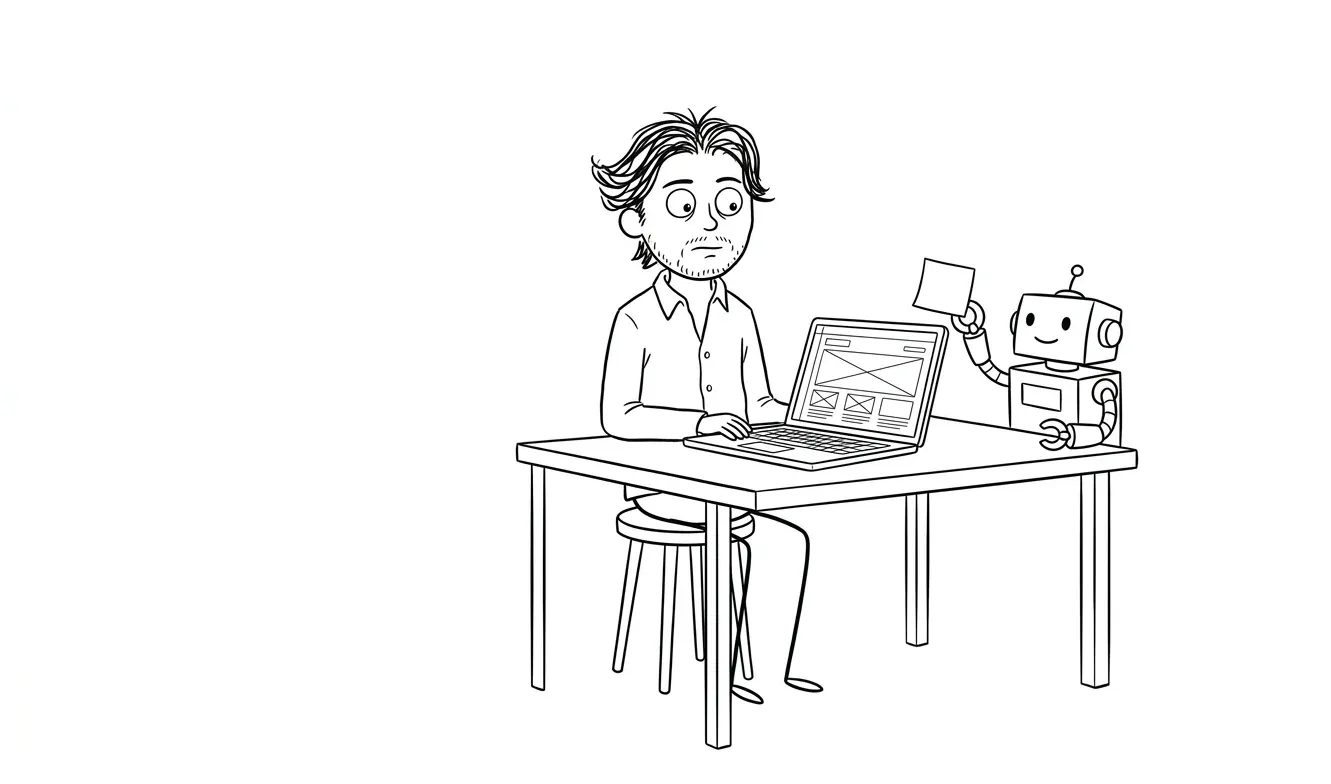
Working well with a freelance designer comes down to clear briefs, fast feedback, and realistic scope. Knowing how to work with a freelance designer is something most founders figure out the hard way, usually mid-project when things are already off track. Most breakdowns happen before any design work starts, because expectations weren’t set on either side. This guide covers everything from writing your brief to reviewing designs to knowing when the relationship isn’t working. Follow this and you’ll get better work faster, with less back-and-forth.
Why most founders struggle to work with a freelance designer
It’s almost never a skill problem. The designer you hired probably knows their craft. The breakdown happens in the process around the work.
Founders are busy. They send vague briefs, disappear for a week, then come back wanting changes that contradict the original direction. Designers, especially freelancers, have other projects running. When they don’t hear from you, they move on. When you finally respond with a wall of feedback, the momentum is gone.
The other common problem is mismatched expectations about what “done” looks like. You’re picturing the finished product. The designer is delivering a first draft. Neither of you said that out loud at the start.
None of this is anyone’s fault. It’s a communication and process gap. The good news is it’s totally fixable, and fixing it costs you nothing except a bit of upfront clarity.
According to Nielsen Norman Group’s research on design collaboration, teams that document goals and success criteria before starting design work produce faster and more accurate outcomes than those who define direction as they go. That principle applies just as much to a two-person founder-freelancer setup as it does to a large product team.
How to write a brief that actually gets good results
This is where most projects succeed or fail. A weak brief produces generic work. A specific brief produces work that actually fits your product and audience.
Your brief doesn’t need to be long. It needs to answer a few essential questions.
Start with the problem you’re solving. Not “I need a landing page” but “I’m a B2B SaaS founder selling expense tracking to finance teams, and my current page isn’t converting trial signups.” That tells the designer who they’re designing for, what the goal is, and what the current situation is.
Then cover these:
- Who is the audience? Be specific. Job titles, company size, main concern when landing on your page.
- What action should they take? One primary action. If you say “sign up or book a demo or learn more,” the designer can’t prioritize.
- What tone or style fits the brand? Share examples you like. Not “make it modern,” but links to actual sites you think get it right.
- What constraints exist? Colors, fonts, existing components, content that must appear, deadline.
- What does success look like? If you can define a metric, even roughly, do it.
That’s it. You don’t need 10 pages. You need clear answers to those five things.
If you want a more detailed template for this, I wrote a full breakdown in how to write a project brief that gets good results.
What a weak brief versus a strong brief looks like
It helps to see the difference spelled out.
A weak brief says: “We need a redesign of our homepage. Something modern and clean that converts better.”
A strong brief says: “Our homepage is getting 3,000 visits a month from paid ads targeting HR managers at mid-size companies. We have a 1.2% conversion rate to free trial signup. We want to increase that. The current page buries the product demo and leads with company history. Here are three competitor pages we think do it better: [links]. Our brand colors are [x] and [y] and we can’t change them. Deadline is four weeks.”
The second version gives the designer something to work against. They know the audience, the goal, the current problem, the constraints, and the timeline. That’s enough to produce strong first-round work without five rounds of alignment questions.
How to work with a freelance designer through the feedback process
Feedback is where most projects slow down or fall apart. Here’s how to give feedback that actually moves things forward.
Be specific about what’s not working
“I don’t like it” isn’t feedback. Neither is “can you make it pop more.” Both force the designer to guess, and guessing wastes rounds.
Instead, point to specific elements. “The headline feels too casual for a finance audience.” “The CTA button is hard to find on mobile.” “The spacing between sections makes it feel unfinished.” That’s actionable. The designer can work with it.
Separate aesthetic preference from functional concerns
You might personally dislike a color choice that’s actually right for your audience. That’s fine, it’s your product. But be honest with yourself about which feedback is “this doesn’t work for the user” versus “this isn’t to my taste.”
Designers expect some subjective feedback. They just need to know which is which so they can push back when it matters.
Consolidate your feedback
Don’t send feedback in four separate Slack messages over two days. Collect it, read through it once, and send it together. This sounds small but it saves a lot of time for both sides.
If you have stakeholders who need to weigh in, get their feedback before sending it to the designer, not after. Round-three revisions that introduce someone’s new opinion are a project killer.
Respond on time
This is the one founders most often underestimate. When a designer is waiting on your feedback, they’re not idle. They’re either blocked on your project or they’ve moved to someone else’s. The faster you respond, the better your project goes.
Set a personal deadline. If your designer sends work on Tuesday, commit to responding by Thursday. That cadence keeps the project alive.
Good feedback is specific, consolidated, and fast. Those three things alone will make your project go significantly smoother.
Setting scope before you start
Scope creep is the most common reason freelance projects run over budget and over deadline. It usually doesn’t happen because anyone is being difficult. It happens because the original scope was fuzzy.
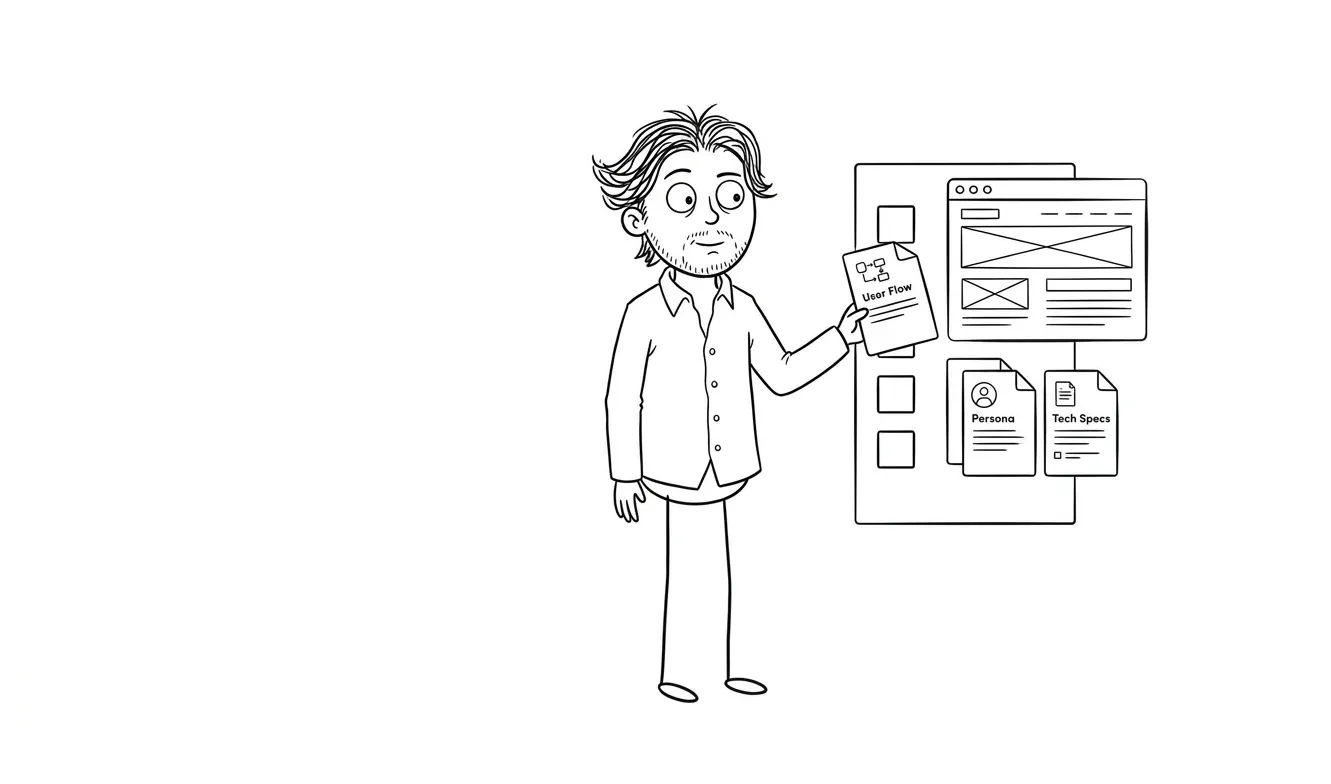
Before the project starts, write down exactly what’s included. Pages, screens, features, revisions, file formats. If something isn’t on the list, it’s out of scope and requires a separate conversation.
This protects both of you. The designer knows what they’re being paid to do. You know what you’re getting for your money. And when something new comes up mid-project, which it always does, you have a baseline for the conversation.
What to do when scope changes
New ideas will come up. That’s fine. The right move is to acknowledge it’s out of scope and decide together whether to add it to the current project (usually for additional cost) or save it for a later phase.
Don’t just say “while you’re at it, can you also…” That’s how budgets and timelines collapse.
How to handle disagreements about scope mid-project
If a dispute comes up, go back to the written scope document from the start. If the thing being requested is clearly outside it, the conversation is easy. If it’s genuinely ambiguous, that’s a sign the original scope needed to be more detailed, and both parties usually share some responsibility.
The best outcome is a quick conversation where you either agree it’s in scope, agree it’s out of scope and price it separately, or agree to defer it. What you want to avoid is one side silently absorbing extra work while quietly getting frustrated. That tends to show up in the quality of the work or in the relationship deteriorating toward the end of a project.
What async-first working means for you as a founder
A lot of the best independent designers, including how I work at dee.agency, operate async by default. That means fewer meetings, more documented communication, and clearer handoffs.
If you’re used to agency-style weekly check-ins and status updates, async can feel strange at first. You might worry things are falling behind. Usually they’re not.
Here’s how to get the most out of async collaboration:
- Use a shared doc or project tool (Notion, Linear, even a Google Doc) as the single source of truth for the brief, feedback, and open questions.
- Communicate in writing. Not because it’s formal, but because written feedback is easier to act on and creates a record.
- Trust the process. If you set clear milestones at the start, “by end of week you’ll have a first draft,” you don’t need a daily check-in to know things are on track.
Async doesn’t mean slow. It often means faster, because there’s no scheduling overhead and the designer can do deep work without constant interruptions.
Figma’s collaborative design workflow is worth understanding as a founder even if you don’t design yourself. When a designer shares a Figma link, you can leave comments directly on the canvas, which makes async feedback much more precise than trying to describe something in text. Most experienced freelancers use it this way by default.
Pricing, contracts, and protecting yourself
Freelance design work can range from a few hundred dollars to tens of thousands, depending on the scope, the designer’s experience, and how the work is structured. I covered this in depth for landing pages specifically in how much does a custom landing page cost in 2026.
The two most common pricing structures are hourly and fixed/flat-fee.
| Structure | Pros | Cons |
|---|---|---|
| Hourly | Flexible scope | Budget unpredictable, incentivizes slow work |
| Fixed fee | Budget is clear upfront | Scope creep can cause friction |
| Productized | Clear scope, fast start | Less flexibility for unique requirements |
For most founders, fixed-fee or productized engagements work best. You know exactly what you’re paying, and the designer has a clear deliverable to hit.
On contracts: always have one. Even a simple agreement that covers scope, payment terms, revision rounds, and who owns the files when the project ends. This isn’t distrust, it’s clarity. A good designer won’t balk at signing something reasonable.
On payments: many freelancers ask for a deposit upfront, typically 50%. That’s standard. It protects them from being left with completed work and no payment. It also gives you a stake in the project, which tends to make founders more responsive.
Intellectual property and file ownership
One thing founders often forget to clarify: who owns the design files at the end of the project?
In most freelance engagements, you’re buying the right to use the delivered work, not ownership of the original source files unless that’s explicitly included. Some designers charge extra for source file delivery. That’s worth discussing upfront, especially if you’ll need to hand files off to another designer or developer later.
Make sure the contract also specifies that you own the final output and any assets created specifically for your project. This matters if you ever need to update the design, bring in a new contractor, or sell the company.
Signs a freelance designer relationship isn’t working
Sometimes it genuinely doesn’t click. Here are honest signs you might need to reassess:
- You’ve given clear feedback twice and the work still isn’t improving in that direction.
- The designer consistently misses agreed-upon deadlines without communicating.
- You’re spending more time explaining basic design decisions than reviewing actual work.
- The designer can’t tell you what problem they’re solving with their design choices.
If you see one of these, have a direct conversation before making any decisions. Most problems have a fix. But if the conversation doesn’t help, it’s okay to part ways professionally and move on.
What to look for when hiring
This deserves its own article, but the short version: portfolio fit matters more than portfolio size. You want to see work that’s close to what you need, whether that’s SaaS product design, landing pages, mobile apps, or something else.
Beyond the portfolio, pay attention to how they communicate during the hiring conversation. Do they ask good questions? Do they push back when something doesn’t make sense? Do they talk about outcomes, or just deliverables? Those signals tell you a lot about what the working relationship will look like.
A designer who asks “what does success look like for this project?” in the first conversation is showing you something important. They’re thinking about your goal, not just the task. That’s the mentality that produces work that actually moves the needle.
If you’re trying to decide between a freelancer and an agency for your project, I broke down that comparison honestly in freelancer vs.agency for your MVP.
For founders who need design and code together, a solo studio like mine handles that end-to-end. A UX audit is often a good first step if you already have a product but aren’t sure what’s working.
The AIGA Standards of Professional Practice is also a useful reference if you want to understand what professional norms look like for design engagements, including expectations around contracts, intellectual property, and conduct.
Looking for a designer who ships fast and works async? I offer flat-fee design and development services built for founders. Tell me what you’re building.
Handoff: what you should get at the end
A design project isn’t done when you see the last screen. The handoff is part of the work.
At minimum, you should receive:
- Final design files in the agreed format (Figma, Sketch, or similar)
- Exported assets if needed (icons, images, fonts)
- Any specs or documentation that helps a developer implement the design
- Clear notes on anything that’s intentionally out of scope or deferred
If you’re working with a designer who also handles development, like I do for landing page builds and full MVPs, the handoff looks different. You’re getting a shipped, live product, not just files. Make sure you get access to the repository and any deployment credentials before the project closes.
Frequently asked questions
How do I give feedback to a freelance designer without causing friction?
Be specific and point to elements, not feelings. “The font feels too small for mobile” works. “I don’t love it” doesn’t. Consolidate all your feedback in one message rather than dripping it in, and respond within a day or two of receiving work.
How many revision rounds should I expect from a freelance designer?
Most flat-fee projects include two to three rounds of revisions. Hourly engagements are more open-ended but can get expensive quickly. Agree on this before the project starts so neither side is surprised.
What should be in a design brief for a freelance project?
Cover the problem you’re solving, who the audience is, what action they should take, tone and style references, any hard constraints, and what success looks like. That’s usually enough to get strong first work.
What’s a reasonable budget for freelance design work?
It depends heavily on scope. A landing page from a strong independent designer runs roughly $2,000 to $5,000. An MVP with design and code included can run $8,000 to $20,000 depending on complexity. Hourly rates for experienced product designers typically fall between $80 and $200 per hour.
Should I use a contract with a freelance designer?
Yes, always. Even a short agreement covering scope, revision rounds, payment terms, and file ownership is worth having. It protects both parties and avoids ambiguous situations at the end of a project.
How do I know if a freelance designer is a good fit before hiring them?
Look at portfolio work that’s similar to what you need. Pay attention to how they communicate during the initial conversation. If they ask thoughtful questions and explain their thinking, that’s a good sign. If they just quote a price without asking about your goals, treat that as a yellow flag.
Ready to ship something?
If you’re a founder who needs design work done right and done fast, I work on a flat-fee basis with no agency overhead. Whether it’s a landing page, a full product MVP, or a UX audit of something you already have, everything starts with a short conversation.
Tell me about your project and I’ll come back with a clear scope and timeline.

Got a project worth shipping? Send the brief.
Quote and kickoff date back in a day, usually faster. If it's not a good fit I'll say so.